
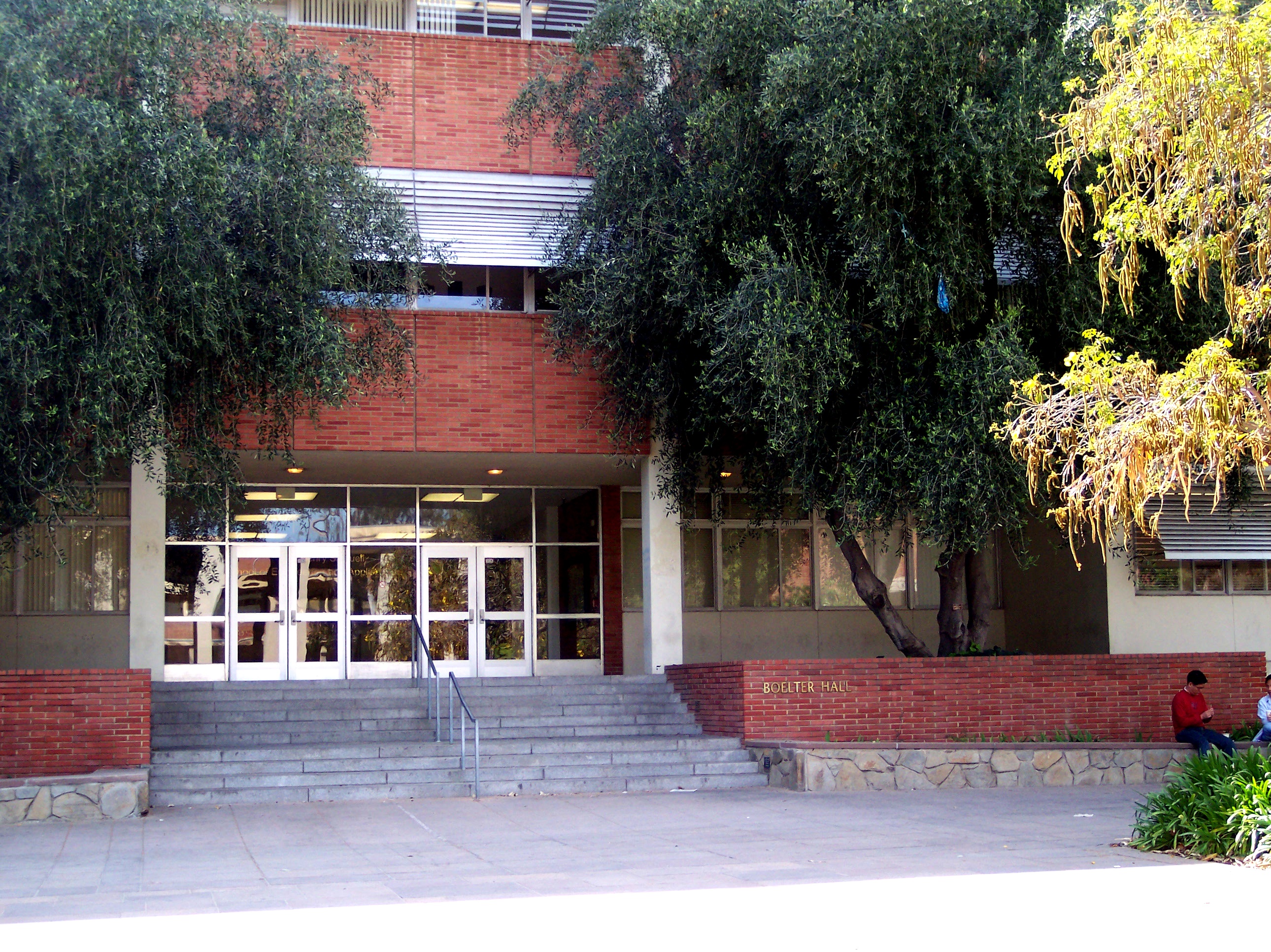
On a Tuesday evening in one of the Boelter Hall study rooms, eight students are crowded around two laptops, arguing about whether a feature should ship before next week's demo or wait for a version they all agree would be cleaner. It is a familiar conversation in most tech companies. It is less familiar in a student club whose members have midterms the following week and whose product manager is a second-year who has never held a full-time job.
This is DevX, UCLA's student-run software development organization, and it is in many ways exactly what it looks like: a group of undergraduates trying to build something real while also being undergraduates. In other ways, it is something more unusual. Over four years, the organization has shipped more than a dozen live applications used by students and community organizations, placed alumni in engineering roles at Google, Stripe, and several Y Combinator-backed startups, and developed an internal project culture that veterans of the club describe as more demanding than most internships they have held.
DevX was founded by a group of computer science students who wanted a place to build full-stack projects with real deadlines and real stakes, rather than class assignments that lived on GitHub and were never seen again. The organization accepts applications each fall, selects project teams of six to ten members, and assigns each team a project lead who is responsible for delivering a working product by the end of the academic year.
The projects have ranged from internal tools for student clubs (a platform that manages officer transitions and institutional memory for USAC-affiliated organizations) to consumer applications (a scheduling tool for peer tutoring that served over 800 users in its first year). Several have been handed off to campus departments after graduation; one was acquired by a small ed-tech startup whose founders are themselves UCLA alumni.
"What makes DevX different from a class project is the accountability structure," said the organization's current president, a third-year computer science student from the Bay Area. "Your team is depending on you. The users, once you have them, are depending on you. There is no incomplete grade. You either shipped it or you didn't."
The club also functions as a recruiting pipeline, though its leadership is careful to describe that as a byproduct rather than the primary purpose. Tech companies that recruit at UCLA have taken notice. Several have offered to sponsor projects, provide cloud computing credits, or conduct technical workshops for DevX members in exchange for the ability to meet students early in their collegiate careers.
For students who are not in the computer science department, DevX presents a more complicated entry point. The application process is technically demanding, and the club's culture has historically skewed toward CS and engineering majors. Leadership acknowledged this as a limitation and said the organization is actively working to recruit students from adjacent fields, including design, data science, and product management, who can contribute to projects without writing backend code. Whether that expansion succeeds will be one of the things to watch in the year ahead.