
In June 2025, UCLA's Campus Life division quietly eliminated five project director positions. The people who held those positions worked on retention and access programs, offices designed to support first-generation students, students from underrepresented backgrounds, and students navigating campus life without the family networks that ease the transition for other undergraduates. The eliminations were described in internal communications as a response to the federal government's escalating scrutiny of diversity, equity, and inclusion initiatives at public universities.
The scrutiny has since intensified. The Trump administration threatened earlier this year to cancel nearly $600 million in federal research grants to UCLA, citing what it described as unlawful DEI activity. A federal court issued a temporary block on the funding freeze, and the legal battle continues. But the threat alone has been sufficient to reshape how the university talks about its programs in public.
In March, campus attorneys advised equity advisors and program directors across UCLA to audit their websites and remove language that could be interpreted as implying that any program provides preferential treatment based on race, gender, or other protected characteristics. The guidance was careful and legalistic. It did not direct staff to shut down programs. It directed them to change how those programs describe themselves.
For the staff members receiving the guidance, the distinction often felt thin. Programs built around the explicit goal of improving outcomes for students from historically underrepresented groups now describe themselves in language that has been scrubbed of any reference to the populations they were created to serve. The effect on program visibility, and on students' ability to find them, has been real.
"I help students figure out what resources are available to them," said a peer advisor in one of the affected programs who asked to remain anonymous. "When a program's website changes from describing exactly who it's for to describing what it does in the most generic possible terms, students who need it stop finding it. That's a real outcome."
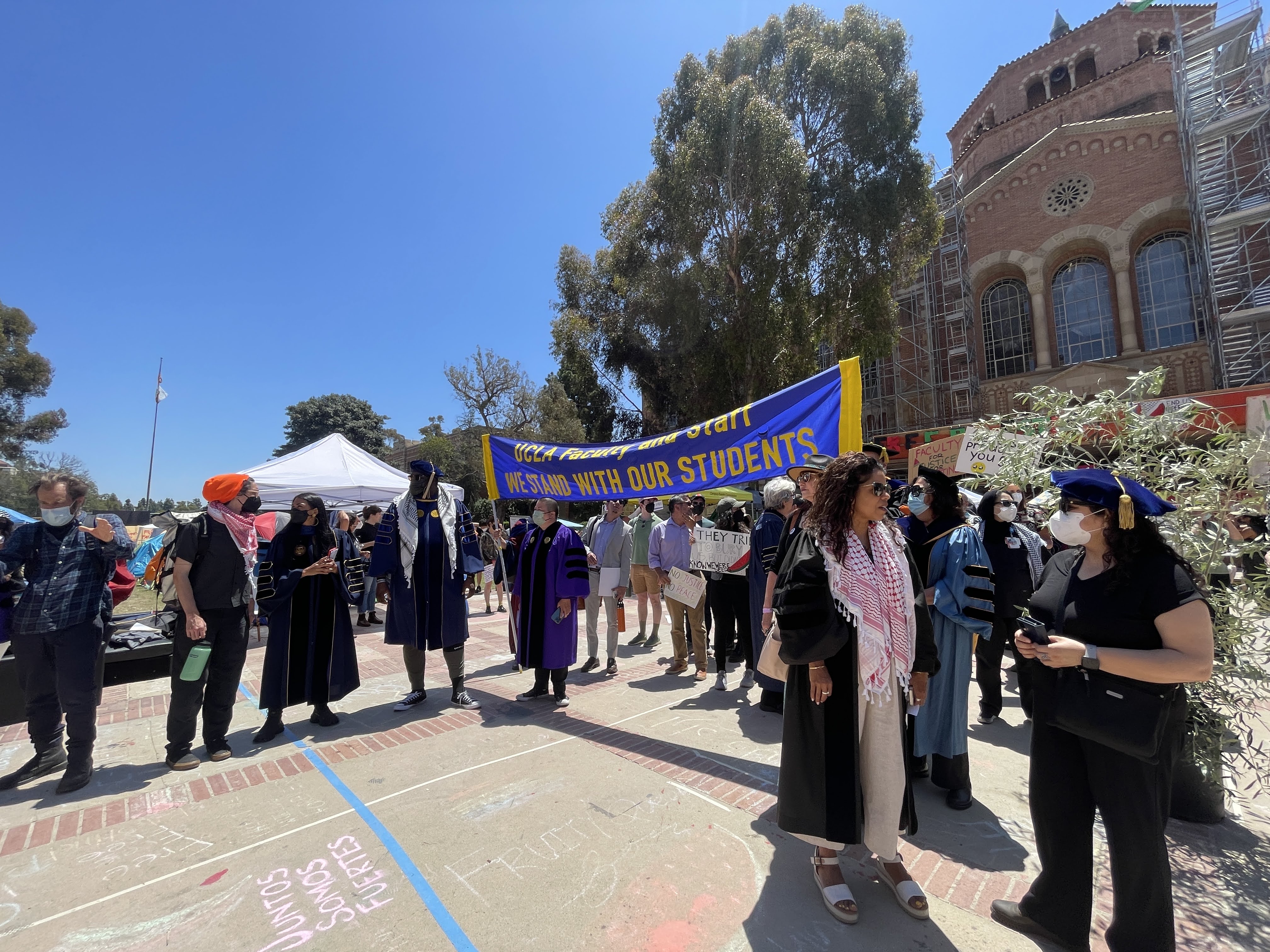
Faculty members in ethnic studies, education, and social welfare have been among the most vocal critics of the administration's approach, arguing that the legal strategy of preemptive compliance does less to protect the programs than to legitimize the federal government's premise. Several have written open letters calling on Chancellor Frenk to contest the funding threats more forcefully in public.
The administration has said it is committed to supporting a diverse and inclusive campus community while complying with applicable law. It has declined to release the specific legal guidance given to program directors, citing attorney-client privilege. Students organizing around the issue have noted that this combination, strong public commitments paired with restricted institutional transparency, has become a pattern that is difficult for anyone outside the administration to evaluate.